
Introduction to Emotion-Driven Eating
Emotion-driven food consumption refers to the consumption of food in response to emotional states rather than physiological hunger. This phenomenon has been documented extensively in psychological literature as a complex behavioral pattern influenced by neurobiological, psychological, and environmental factors.
The relationship between emotions and food choices reflects deeper neurobiological mechanisms involving reward pathways, stress responses, and emotional regulation systems in the brain. Understanding these mechanisms requires examination of how the brain processes emotions and translates them into behavioral responses, including eating.
Historical analysis reveals that this pattern has existed across cultures and time periods, though the terminology and context of understanding have evolved significantly in contemporary psychology.

Distinction Between Physical and Emotional Hunger
| Aspect | Physical Hunger | Emotional Hunger |
|---|---|---|
| Onset | Gradual, builds over time | Sudden, often tied to specific event |
| Specificity | Open to variety of foods | Often targets specific food types |
| Satiation | Stops when full physiologically | May continue despite physical fullness |
| Awareness | Body signals clearly present | May lack awareness of triggers |
| Post-consumption | Satisfaction with meal | Variable satisfaction or regret |
Role of the Reward System in Food Consumption
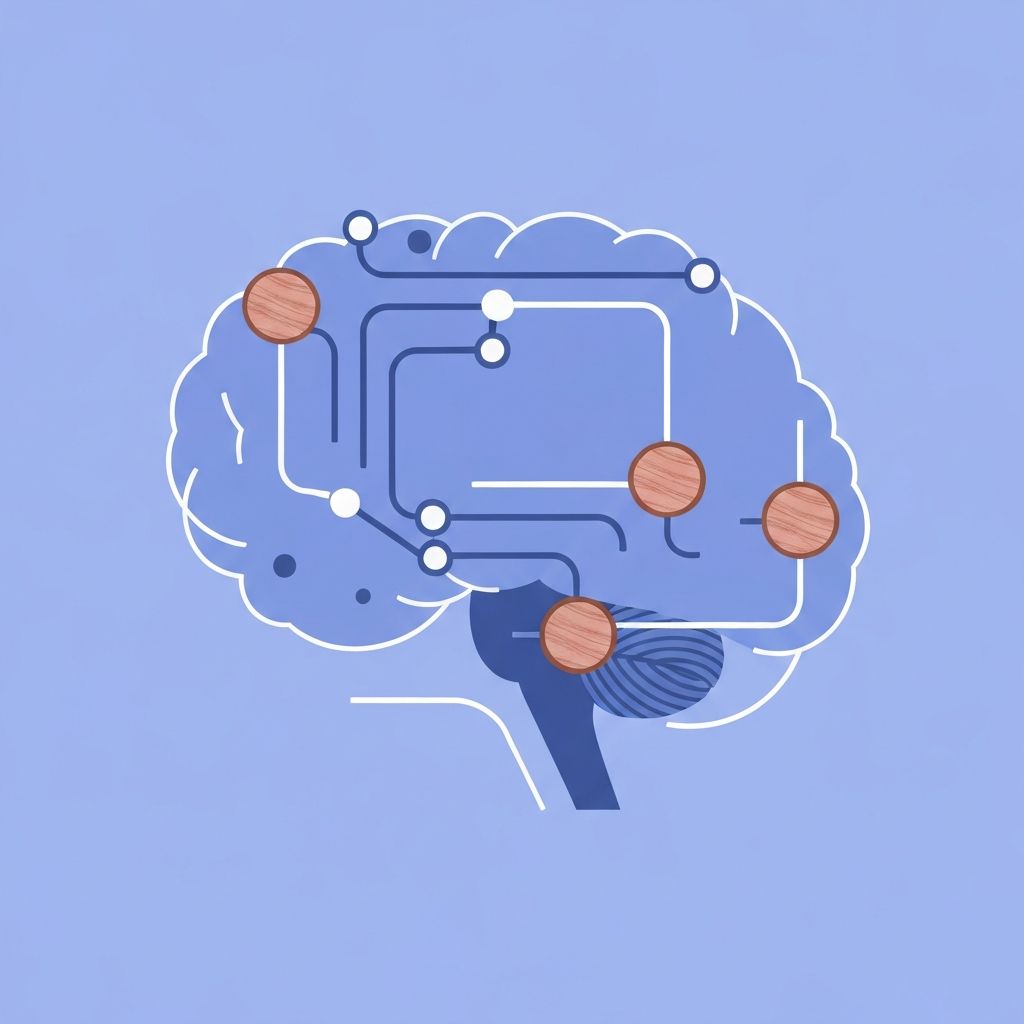
The brain's reward system plays a central role in food consumption behavior. The dopamine reward circuit is activated not only by the consumption of food but also by anticipation of food consumption, environmental cues associated with food, and the memory of pleasurable eating experiences.
This neural system evolved to reinforce essential survival behaviors, including eating. However, in modern environments with abundant palatable foods, this system can become engaged through mechanisms that extend beyond nutritional needs.
The ventral tegmental area and nucleus accumbens, key structures in the dopamine reward pathway, show activation patterns in response to food stimuli that parallel patterns observed with other rewarding stimuli. Understanding this neurobiological foundation helps explain why food consumption can be motivated by reward-seeking behavior independent of metabolic requirements.
Stress, Cortisol and Appetite Regulation
Acute stress triggers the release of cortisol and other stress hormones, which can temporarily suppress appetite. However, chronic or repeated stress activates different physiological pathways that often result in increased appetite and preference for calorie-dense foods.
The hypothalamic-pituitary-adrenal (HPA) axis, the body's primary stress response system, influences appetite regulation through multiple mechanisms. Chronic activation of this system can lead to sustained elevation of cortisol, which affects glucose metabolism and increases preference for foods high in fat and sugar.
Additionally, stress can impair prefrontal cortex function, reducing the brain's capacity for deliberate decision-making and impulse control around food choices. This creates a neurobiological environment where emotionally-driven eating patterns are more likely to emerge during periods of psychological stress.
Amygdala and Prefrontal Cortex Interaction
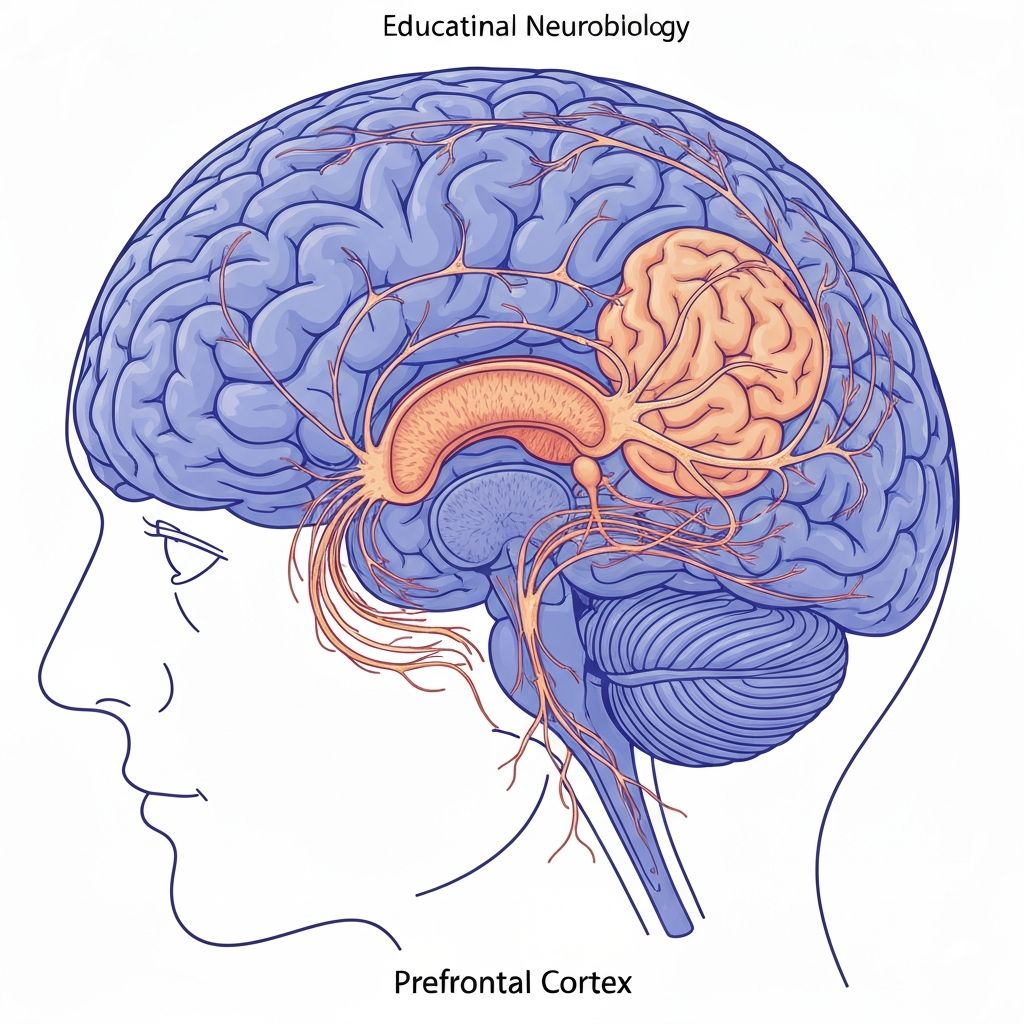
The amygdala, the brain's emotional processing center, and the prefrontal cortex, involved in executive function and decision-making, maintain a dynamic relationship that significantly influences emotional regulation and associated behaviors including eating.
When the amygdala detects emotional stimuli, it activates appropriate emotional and physiological responses. The prefrontal cortex can modulate these responses through top-down control mechanisms. However, during intense emotional states or under conditions of stress, amygdala activation can override prefrontal regulation, leading to less deliberate behavioral responses.
This neurobiological framework explains how emotional intensity can bypass rational deliberation around food choices, leading to behaviors that might not align with an individual's conscious intentions or nutritional goals.
Ghrelin and Leptin in Emotional Contexts
Ghrelin, often termed the "hunger hormone," and leptin, known as the "satiety hormone," are key regulators of appetite at the physiological level. Research demonstrates that emotional states can influence the secretion and efficacy of these hormones.
Studies show that psychological stress can elevate ghrelin levels and reduce sensitivity to leptin signaling, creating a physiological environment conducive to increased food intake. Additionally, sleep disruption often accompanying emotional distress further dysregulates these hormonal systems.
The interplay between emotional processing brain regions and the hypothalamic centers controlling ghrelin and leptin secretion reveals how emotions can alter the very biological signals that regulate appetite. This represents a key mechanism through which psychological states translate into altered eating behavior at the physiological level.

Cultural and Social Influences on Comfort Eating
The concept of "comfort eating" carries significant cultural and social dimensions. Different cultures have distinct food traditions associated with emotional regulation, celebration, and social bonding. These patterns are learned through repeated exposure and social reinforcement.
Anthropological observations reveal that the specific foods chosen for emotional regulation reflect cultural availability, historical food traditions, and social associations rather than universal biological preferences. Social gatherings, family meals, and cultural celebrations create strong associative links between specific foods and emotional contexts.
Understanding emotion-driven eating requires recognition of how individual psychological responses interact with cultural templates and social learning. Food choices in emotional contexts reflect not only neurobiological mechanisms but also deeply ingrained cultural patterns and social meanings attached to specific foods.
Research Findings on Prevalence and Patterns
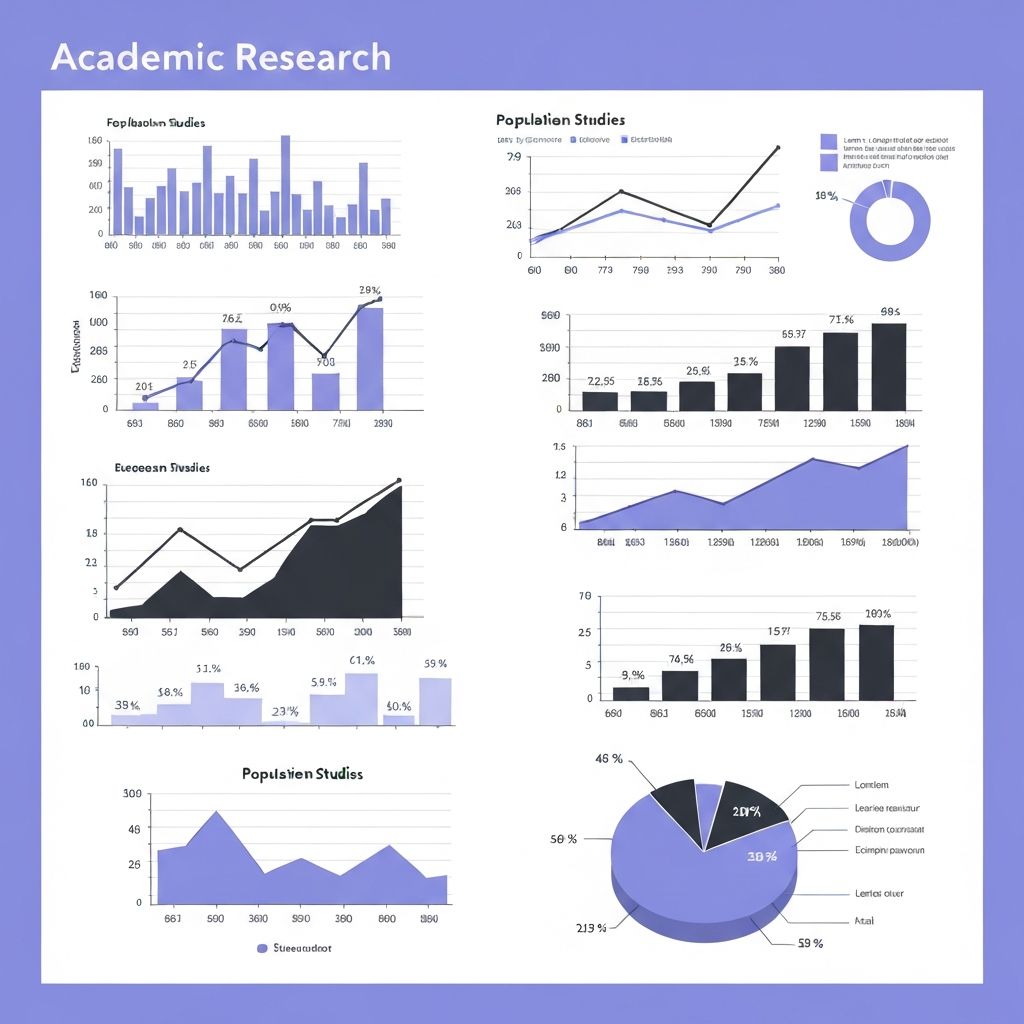
Population-level research on emotion-driven eating reveals that this pattern is widespread across demographics, though individual variations are substantial. Studies using various assessment methodologies have documented that the majority of individuals report occasional emotional eating, while smaller populations report more frequent patterns.
Gender differences have been observed in some studies, though these differences are modest and likely reflect cultural expectations around emotional expression and food consumption. Age effects show developmental patterns in emotional regulation capacity and food-related decision-making.
Longitudinal studies indicate that emotional eating patterns can fluctuate over time in response to life circumstances, psychological well-being, and changes in coping strategies. The stability and predictive validity of emotional eating measures for long-term eating behavior remain active areas of research investigation.
Links to Detailed Psychological Articles
The Dopamine Reward Circuit and Hedonic Eating
Explore the neurobiological pathways through which the brain's reward system drives hedonic food consumption independent of metabolic needs.
Read Article →Stress-Induced Eating: Cortisol and Appetite Pathways
Investigate the endocrine mechanisms linking chronic stress to altered appetite regulation and food consumption patterns.
Read Article →Emotional vs Physiological Hunger: Research Distinctions
Examine comparative studies delineating the neurobiological and behavioral differences between two distinct hunger types.
Read Article →Amygdala-Prefrontal Interactions in Food-Related Emotions
Understand how emotional brain regions and executive control centers interact in determining food-related behavioral outcomes.
Read Article →Ghrelin, Leptin and Emotional States: What Studies Show
Review the hormonal data revealing how emotional states modulate appetite-regulating hormone secretion and efficacy.
Read Article →Sociocultural Factors Shaping Emotional Eating Patterns
Explore anthropological context revealing how culture and social learning shape emotional responses to food.
Read Article →Common Misconceptions in Popular Understanding
- Misconception: Emotional eating is a personal weakness or lack of willpower. Evidence: Emotional eating reflects neurobiological mechanisms involving reward pathways, stress systems, and emotional regulation circuits—not individual moral failure.
- Misconception: Emotional eating only affects certain populations. Evidence: Research indicates emotional eating patterns are widespread across demographics, suggesting universal neurobiological underpinnings with individual and cultural variations.
- Misconception: All food consumed in response to emotions is "bad" or problematic. Evidence: Occasional emotion-related eating is a normal aspect of human experience; research focuses on understanding the mechanisms rather than pathologizing all instances.
- Misconception: Physical hunger and emotional hunger have simple, clear distinctions. Evidence: The interaction between emotional and physiological hunger systems is complex, with significant neurobiological overlap and interplay.
- Misconception: Food choice in emotional contexts is random or unpredictable. Evidence: Emotion-driven food choices reflect patterns shaped by neurobiological reward pathways, learned associations, and cultural food traditions.
Frequently Asked Questions
What is the neurobiological basis of emotion-driven eating?
Emotion-driven eating emerges from interactions between emotional processing regions (amygdala), reward pathways (dopamine circuit), stress response systems (HPA axis), and executive control centers (prefrontal cortex). These systems regulate how emotional states translate into eating behavior through multiple neurobiological mechanisms.
How does stress hormones affect appetite?
Acute stress temporarily suppresses appetite, but chronic stress typically increases appetite through sustained cortisol elevation, HPA axis dysregulation, and effects on glucose metabolism. Chronic stress also impairs prefrontal cortex function, reducing impulse control around food choices.
What role does the dopamine reward system play?
The dopamine reward circuit is activated by food consumption, food anticipation, and food-associated environmental cues. This system evolved to reinforce survival behaviors but in modern food environments can drive consumption beyond metabolic needs.
How do ghrelin and leptin relate to emotional eating?
Emotional states can elevate ghrelin levels and reduce leptin sensitivity, creating physiological conditions that promote increased food intake. Sleep disruption accompanying emotional distress further dysregulates these hormonal systems.
Is emotion-driven eating culturally specific?
While the underlying neurobiological mechanisms are universal, the specific foods associated with emotional regulation, the frequency of emotional eating, and the social context reflect significant cultural and individual variations based on learned associations and cultural food traditions.
How do emotions and physiology interact in hunger regulation?
Emotional processing brain regions directly influence appetite-regulating hormone secretion. The interaction is bidirectional: emotional states alter physiological hunger signals, and physiological states influence emotional processing and regulation capacity.
Exploring Psychological and Neurobiological Dimensions
Understanding emotion-driven food consumption requires integration of psychological, neurobiological, and sociocultural perspectives. The evidence-based scientific literature reveals that this phenomenon emerges from complex interactions among multiple brain systems, hormonal pathways, and learned patterns shaped by cultural context.
This educational resource presents the current state of psychological and neurobiological knowledge on this topic. The science continues to evolve as researchers employ increasingly sophisticated methodologies to understand the mechanisms linking emotions, brain function, and eating behavior.
We encourage exploration of the detailed articles and research findings presented to develop a more comprehensive understanding of these intricate psychological and neurobiological processes.
Educational content only. No promises of outcomes.